In many cities, technology, design, and culture tend to operate in separate lanes.
Office towers and corporate schedules define central business districts.
Industrial-level enterprises dwell on the fringes of town.
Creative spaces populate a handful of oft-overlooked city blocks.
And cultural experiences frequently occupy what little time remains beyond one's professional life. The directive to many individuals is to "stay in your lane."
There's no such gatekeeping in Austin.
Over the past decade, the city has developed into a place where these elements consistently intersect. Technology companies, creative professionals, and cultural institutions share the same spaces, influence the same neighborhoods, and contribute to a lifestyle that feels integrated rather than segmented.
It's one of the many reasons we love Austin, or why a number of our clients thrive here. The overlap of tech, culture, and design is not something you have to seek out. It's organic; something you experience as an inherent part of the city's lifestyle.
Downtown as a Live-Work Environment
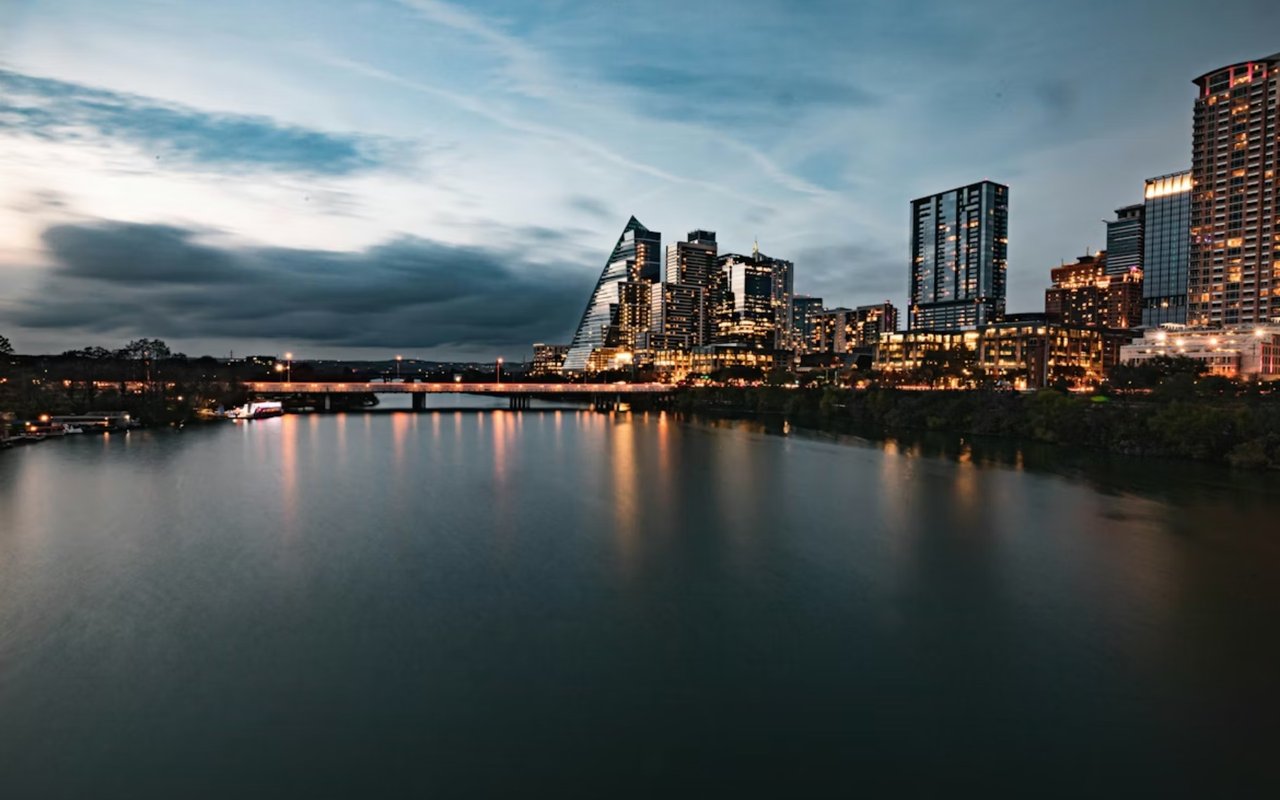
Austin's downtown core reflects this blend as clearly as any part of the city.
Major employers maintain offices within close proximity to residential buildings, hotels, restaurants, and entertainment venues. The result is an environment where work and lifestyle remain closely connected.
Professionals might begin the day in a modern office tower, step out for lunch in the Warehouse District, and end the evening with a live performance at The Long Center just across the 1st Street Bridge or catch a rising young comedian at the Creek and Cave. The transitions between these activities are often seamless, requiring little more than a short walk.
This proximity changes how people structure their days. Work does not feel isolated from the rest of life, and social experiences do not require extensive planning or travel.
For many residents, downtown offers a version of city living that feels both active and manageable.
Major employers maintain offices within close proximity to residential buildings, hotels, restaurants, and entertainment venues. The result is an environment where work and lifestyle remain closely connected.
Professionals might begin the day in a modern office tower, step out for lunch in the Warehouse District, and end the evening with a live performance at The Long Center just across the 1st Street Bridge or catch a rising young comedian at the Creek and Cave. The transitions between these activities are often seamless, requiring little more than a short walk.
This proximity changes how people structure their days. Work does not feel isolated from the rest of life, and social experiences do not require extensive planning or travel.
For many residents, downtown offers a version of city living that feels both active and manageable.
Austin Neighborhoods as the Creative Layer
Just beyond the downtown, neighborhoods such as East Austin provide a different but equally important dimension to the city.
The area has become a focal point for designers, architects, restaurateurs, and creative entrepreneurs. Modern residential projects sit alongside thoughtfully designed hospitality spaces, local galleries, and independent businesses.
What stands out about East Austin is how these elements coexist.
Developments such as the Govalle Cultural District reflect a design-forward approach that brings the community together in a culturally distinctive setting. Galleries, public art spaces, eateries, performance venues, and even an elementary school ensure the neighborhood retains a sense of individuality through locally driven businesses and community-oriented spaces, while offering year-round events and programming for locals and visitors.
East Austin is just one example. The urban design and technology of downtown's 2nd Street District, the upscale tech environs of North Burnet-Gateway, and the eclectic South Congress curate environments where creativity is visible, accessible, and engages a broad swath of interests. Dining, design, and social experiences feel connected, contributing to neighborhood identities that continue to evolve without losing their character.
The area has become a focal point for designers, architects, restaurateurs, and creative entrepreneurs. Modern residential projects sit alongside thoughtfully designed hospitality spaces, local galleries, and independent businesses.
What stands out about East Austin is how these elements coexist.
Developments such as the Govalle Cultural District reflect a design-forward approach that brings the community together in a culturally distinctive setting. Galleries, public art spaces, eateries, performance venues, and even an elementary school ensure the neighborhood retains a sense of individuality through locally driven businesses and community-oriented spaces, while offering year-round events and programming for locals and visitors.
East Austin is just one example. The urban design and technology of downtown's 2nd Street District, the upscale tech environs of North Burnet-Gateway, and the eclectic South Congress curate environments where creativity is visible, accessible, and engages a broad swath of interests. Dining, design, and social experiences feel connected, contributing to neighborhood identities that continue to evolve without losing their character.
Events That Bring Industries Together
Austin's major events play a significant role in reinforcing the connection between technology, design, and culture.
South by Southwest (SXSW) is the most recognized example. Each year, the event brings together professionals from across industries, including technology, film, music, and media. Conversations that might otherwise happen in separate environments take place within the same setting.
Austin City Limits (ACL) offers another perspective, emphasizing music while still attracting a broad, diverse audience.
But even the city's less prominent gatherings, such as Austin Tech Week at the Capital Factory, do more than draw visitors. They create opportunities for collaboration and exposure that extend beyond the festivals themselves.
For residents working across creative and technical fields, this overlap can influence both professional relationships and career opportunities.
South by Southwest (SXSW) is the most recognized example. Each year, the event brings together professionals from across industries, including technology, film, music, and media. Conversations that might otherwise happen in separate environments take place within the same setting.
Austin City Limits (ACL) offers another perspective, emphasizing music while still attracting a broad, diverse audience.
But even the city's less prominent gatherings, such as Austin Tech Week at the Capital Factory, do more than draw visitors. They create opportunities for collaboration and exposure that extend beyond the festivals themselves.
For residents working across creative and technical fields, this overlap can influence both professional relationships and career opportunities.
The Role of the University
The University of Texas at Austin adds another layer to Austin's cultural ecosystem.
As one of the largest and most respected institutions in the country, the university supports programs across engineering, business, design, and the arts, including in its School of Design and Creative Technologies. This range of disciplines encourages interaction between students and professionals with different areas of focus.
Graduates often remain in the city, bringing fresh perspectives into both established companies and new ventures. Research initiatives, partnerships, and entrepreneurial programs further strengthen the connection between academic work and real-world application.
For Austin, the university acts as a steady source of talent and ideas, helping to sustain the city's collaborative environment.
As one of the largest and most respected institutions in the country, the university supports programs across engineering, business, design, and the arts, including in its School of Design and Creative Technologies. This range of disciplines encourages interaction between students and professionals with different areas of focus.
Graduates often remain in the city, bringing fresh perspectives into both established companies and new ventures. Research initiatives, partnerships, and entrepreneurial programs further strengthen the connection between academic work and real-world application.
For Austin, the university acts as a steady source of talent and ideas, helping to sustain the city's collaborative environment.
Why It Matters for Residents and Homebuyers
For those considering a move to Austin, this intersection of industries has practical implications.
At a personal level, we are continually amazed at how Austin's neighborhoods develop through this confluence, including the kinds of businesses that open, the creatives and entrepreneurs it attracts, and the overall energy it feeds the city. Areas that support this overlap have proven magnetic for residents who value both professional opportunity and creative engagement.
This dynamic also contributes to long-term demand in the housing market. Neighborhoods where technology, design, and culture intersect maintain strong appeal due to their accessibility, flexibility, and lifestyle offerings.
For buyers, understanding how these elements come together can help inform decisions about where to live and how to engage with the city.
At a personal level, we are continually amazed at how Austin's neighborhoods develop through this confluence, including the kinds of businesses that open, the creatives and entrepreneurs it attracts, and the overall energy it feeds the city. Areas that support this overlap have proven magnetic for residents who value both professional opportunity and creative engagement.
This dynamic also contributes to long-term demand in the housing market. Neighborhoods where technology, design, and culture intersect maintain strong appeal due to their accessibility, flexibility, and lifestyle offerings.
For buyers, understanding how these elements come together can help inform decisions about where to live and how to engage with the city.
Discover Your Austin Home with the Dicker Morin Group
Austin does not separate its industries in the way many other metropolitan areas do.
Instead, it allows technology, design, and culture to influence one another, shaping both the economy and the daily experience of living here.
This connection is visible in the layout of neighborhoods, the structure of the workday, and the way residents interact with the city around them. It creates an environment that feels both productive and engaging. A place where professional growth and creative expression are not competing priorities, but part of the same experience.
If you're ready to learn more about the city's tech, design, and cultural scene—one of the defining characteristics that sets Austin apart—contact The Dicker Morin Group today to start your real estate journey. We will help you navigate the possibilities that Austin presents and define what you value, whether it's walkability, schools, views, privacy, proximity to the airport, the energy of downtown, or the serenity of suburban livability, and match that to neighborhoods and home types that fit.
Instead, it allows technology, design, and culture to influence one another, shaping both the economy and the daily experience of living here.
This connection is visible in the layout of neighborhoods, the structure of the workday, and the way residents interact with the city around them. It creates an environment that feels both productive and engaging. A place where professional growth and creative expression are not competing priorities, but part of the same experience.
If you're ready to learn more about the city's tech, design, and cultural scene—one of the defining characteristics that sets Austin apart—contact The Dicker Morin Group today to start your real estate journey. We will help you navigate the possibilities that Austin presents and define what you value, whether it's walkability, schools, views, privacy, proximity to the airport, the energy of downtown, or the serenity of suburban livability, and match that to neighborhoods and home types that fit.