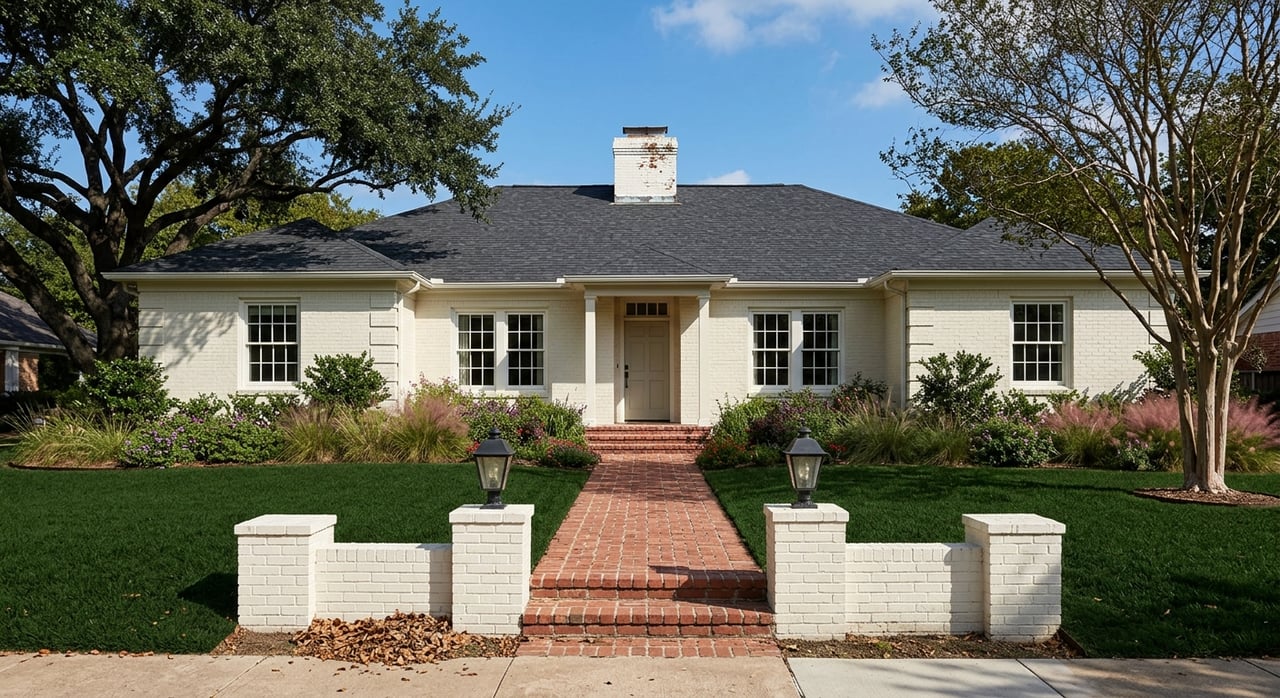
Relocating to Austin with a luxury budget sounds simple at first. Then you start comparing Westlake, Bee Cave, Lakeway, and the Lake Travis corridor and realize the same price point can deliver very different daily lives. If you want to make a smart move, this guide will help you narrow your options, understand the western Austin luxury market, and focus on the lifestyle fit that matters most. Let’s dive in.
Austin luxury works like its own market
If you are moving to Austin from another city, it helps to treat luxury housing as its own submarket. In the Austin-Round Rock-San Marcos area, there were 2,714 home sales at $1 million and above from November 2024 through October 2025, with a median closing price of $1.325 million, average days on market of 75, and homes closing at 93% of original list price.
That looks very different from the broader metro market. Unlock MLS reported a metro median sales price of $449,900 in June 2025, $435,000 in July 2025, and $415,300 in the first quarter of 2026. In other words, luxury buyers are not shopping a slightly nicer version of the median Austin home. You are entering a separate pricing and lifestyle category.
That distinction matters because many relocators arrive expecting the fast, chaotic conditions Austin saw in earlier years. By the end of 2025, Unlock MLS described the market as more predictable and balanced after a year of adjustment. For you, that means better odds of making a measured decision instead of reacting under extreme pressure.
Start with lifestyle, not just price
A luxury relocation usually works best when you define how you want to live before you decide where to buy. In west Austin and the Hill Country corridor, the same budget can mean a close-in custom home, a resort-style community setting, a hilltop property with views, or a home with easier access to the lake.
Instead of asking only how much house you can buy, ask what should shape your everyday routine. Do you want quicker access to central Austin, more privacy, waterfront proximity, golf amenities, or a specific school district? Those priorities usually narrow the search faster than square footage alone.
West Austin and West Lake Hills
What this area feels like
West Lake Hills is a small municipality a few miles west of downtown Austin. The city covers about 4 square miles and has roughly 1,000 homes, with an emphasis on preserving the area’s rural environment and natural beauty.
For relocating buyers, that often translates into low-density living and a custom-home feel rather than large-scale master-planned development. If you want a setting that feels established, close in, and less standardized, this side of the market often rises to the top of the list.
Why buyers choose it
Many luxury buyers focus on West Austin because they want a shorter path into central Austin and a more established residential setting. Eanes ISD is also a major anchor for this side of the market, and for many relocating households, school district boundaries become an early search filter.
The tradeoff is that close-in access and limited housing supply can shape both price and inventory. If your goal is a low-density, custom-home environment with strong central-city convenience, West Austin may fit your priorities well.
Bee Cave and the Lake Travis corridor
What makes this area different
Bee Cave describes itself as a Hill Country gateway community between downtown Austin and the lakes. It is centrally located near SH 71, RM 620, and Bee Caves Road, and it offers a blend of residential areas, retail and office space, and outdoor recreation.
That combination appeals to relocators who want a balance of daily convenience and Hill Country lifestyle. You may find it easier to connect your home search to work patterns, shopping, dining, and recreational access without giving up the western Austin setting that drew you here in the first place.
The school district factor
Lake Travis ISD is a major search driver in this area. The district says it sits along the south shore of Lake Travis, about 20 miles west of Austin, spans 118.2 square miles, and includes Bee Cave, Lakeway, and Rough Hollow among its campuses and service area.
For many relocating buyers, the school district matters as a practical map tool as much as a lifestyle preference. It can quickly help you focus on which addresses, neighborhoods, and commuting patterns belong in your search and which ones do not.
Lakeway and lake-oriented living
Why Lakeway stands out
Lakeway sits on the south shore of Lake Travis in the Hill Country, about 25 miles west of downtown Austin. The city describes itself as a resort community with golf courses, tennis courts, marinas, a private airport, a hotel and spa, parkland, trails, and greenbelts.
That description is useful because it points to the kind of experience many luxury relocators want. If your ideal move includes lake access, outdoor recreation, and an amenity-rich setting, Lakeway often offers a very different feel from close-in West Austin.
What to weigh carefully
The appeal of the Lake Travis corridor is not just the home itself. It is the package of scenery, recreation, and daily lifestyle. If you are choosing between central-city convenience and a more resort-oriented environment, Lakeway often becomes the clearest example of that decision.
This is why relocation planning in Austin is rarely about finding the single best neighborhood. It is about matching your home to the version of Austin you want to live in every day.
Commute patterns matter more than mileage
A common mistake in Austin relocation is looking at a map and assuming a short distance means an easy drive. On the west side, commute planning should focus on which corridor you will use most often.
RM 620 is one of the key routes for the western lake area. TxDOT says it runs 23.2 miles from SH 71 in Bee Cave to I-35 in Round Rock, provides primary access to the southern Lake Travis area, and serves as both a local thoroughfare and commuter highway. TxDOT also notes that the corridor experiences significant traffic delays and congestion, especially at peak times.
Loop 360 is another major route for west-side buyers. TxDOT describes it as a 14-mile north-south commuter corridor connecting US 183 and US 290/SH 71, with severe traffic congestion and mobility and safety concerns.
MoPac, or Loop 1, remains important if you need regular access to central Austin. TxDOT identifies it as part of the area’s express-lane and congestion-relief network. For many relocators, the real question is not how far the house is from downtown. It is whether the route fits your work schedule and routine.
What your budget may really buy
In Austin luxury real estate, budget tells only part of the story. The western market is shaped less by standardized housing product and more by lifestyle packaging.
Depending on the exact location, your budget may be aimed toward priorities like:
- Waterfront or near-water access
- Hill Country views
- Privacy and low-density surroundings
- Golf and resort-style amenities
- School district fit
- Established custom-home settings
- Newer build environments in the Lake Travis and Bee Cave corridor
This is one reason a relocation search benefits from local guidance. Two homes at similar price points can offer very different tradeoffs in lot size, commute pattern, views, community design, and access to daily amenities.
A smart relocation framework for luxury buyers
If you want to move efficiently, it helps to organize your search in the same order experienced local advisors do. Start broad, then narrow based on the daily realities that will matter once the move is complete.
1. Define your non-negotiables
List the priorities that must be true on day one. That might include a school district, privacy level, lake access, commute pattern, or preference for an established custom-home area versus a newer community setting.
Once you know your top filters, you can avoid losing time on homes that look beautiful online but do not fit your actual lifestyle. In Austin luxury, fit matters as much as finish level.
2. Map your likely corridors
Before you fall in love with a property, identify which roads you will rely on. For many west Austin and Lake Travis buyers, that means RM 620, Loop 360, or MoPac.
This step sounds simple, but it often changes the search dramatically. A home that feels perfect on paper may create a daily routine that does not work for you.
3. Confirm address-level district details
If school district placement matters, verify it at the exact address level. Broad area names can be useful, but they are not a substitute for checking the specific property.
That is especially important in a relocation, where neighborhood names and district assumptions can blur together. A precise review helps you move forward with confidence.
4. Evaluate taxes early
If the property will be your primary residence, taxes deserve early attention. Travis County says it offers a 20% homestead exemption, the maximum allowed by law, and notes that exemptions lower taxable value and tax liability.
That does not make taxes the only decision point, but it can affect your long-term cost picture. For higher-value homes, that conversation is worth having before you finalize your shortlist.
5. Compare homes by lifestyle package
When you review options, compare them based on the full experience, not just the home features. Ask yourself what each property offers in terms of access, privacy, recreation, views, and day-to-day convenience.
That approach makes it easier to choose confidently, especially if you are moving from out of state and need to make decisions quickly. The best luxury purchase is rarely just the prettiest house. It is the one that supports how you want to live.
Why boutique local guidance matters
Luxury relocation often involves compressed timelines, remote decision-making, and a lot of moving pieces. In Austin’s western market, those challenges increase because the major subareas are not interchangeable.
Westlake, Bee Cave, Lakeway, Rough Hollow, and the broader Lake Travis corridor each offer a different mix of access, scenery, density, and amenities. Having an advisor who understands the Hill Country and lake lifestyle can help you sort through those differences faster and negotiate with more clarity.
That is especially important when you are balancing practical goals with emotional ones. You are not just buying a home. You are choosing how your next chapter will feel.
If you are planning a move to Austin and want a tailored strategy for the Lake Travis, Bee Cave, Westlake, or greater Austin luxury market, the Dicker Morin Group offers boutique, high-touch guidance rooted in local expertise and relocation experience.
FAQs
What makes Austin luxury real estate different from the broader housing market?
- Austin’s luxury market operates as a distinct submarket, with 2,714 sales at $1 million and above from November 2024 through October 2025 and a median closing price of $1.325 million, far above the broader metro median price levels reported during 2025 and early 2026.
What areas should luxury buyers compare when relocating to west Austin?
- Many relocating buyers compare West Austin and West Lake Hills with Bee Cave, Lakeway, and the Lake Travis corridor because each area offers a different mix of central access, low-density living, Hill Country setting, and resort-style amenities.
What should luxury buyers know about commuting from Bee Cave or Lakeway?
- Luxury buyers should pay close attention to commute corridors like RM 620, Loop 360, and MoPac because TxDOT reports significant congestion on key west-side routes, which can matter more than simple mileage.
Why do school districts matter in an Austin relocation search?
- School districts often help narrow the search faster than city names alone, with Eanes ISD serving much of the West Austin side and Lake Travis ISD covering areas including Bee Cave, Lakeway, and Rough Hollow.
How can primary residence taxes affect a luxury home purchase in Travis County?
- If the home will be your primary residence, Travis County’s 20% homestead exemption may lower taxable value and tax liability, which can be an important part of your long-term ownership planning.