Professionals relocating to Austin often arrive with a fairly clear idea of what they are leaving behind. Many have spent years building careers in large coastal cities where opportunity is abundant, but the pace of life can feel relentless.
Commutes stretch longer each year.
Housing costs continue climbing.
Every day decisions begin to revolve around logistics rather than enjoyment.
When people start exploring Austin as a potential home, particularly if they're coming from an East or West Coast city, they quickly recognize the heart of Texas is an altogether different place.
And, just like us, they love it.
While Austin certainly shares many characteristics with other major metropolitan areas, the lifestyle unfolds differently. The city maintains professional ambition and economic momentum, but the daily experience often feels more manageable and balanced, and far less rigid.
For many relocating buyers, that contrast becomes one of Austin's most appealing qualities.
Commutes That Leave Room for the Day
In many coastal metros, commuting has become a defining feature of everyday life.
Lengthy drives, crowded public transportation, and unpredictable travel times can easily consume several hours each day. Over time, those routines shape how people schedule work, family activities, and social commitments.
Austin's growth has certainly increased traffic in recent years, but the overall commuting experience remains more flexible than in many larger cities. Many neighborhoods sit within a reasonable distance of major employment centers, and the continued rise of hybrid work has further reduced the need for daily cross-city travel.
For many professionals relocating from coastal markets, this shift creates something that can feel surprisingly valuable: time.
It's an incredibly valuable commodity that feels grossly misspent when sitting in traffic instead of using it for exercise, gathering with family or friends, or simply unwinding at the end of the day.
The impact of shorter commutes often becomes one of the first lifestyle improvements new residents notice.
Lengthy drives, crowded public transportation, and unpredictable travel times can easily consume several hours each day. Over time, those routines shape how people schedule work, family activities, and social commitments.
Austin's growth has certainly increased traffic in recent years, but the overall commuting experience remains more flexible than in many larger cities. Many neighborhoods sit within a reasonable distance of major employment centers, and the continued rise of hybrid work has further reduced the need for daily cross-city travel.
For many professionals relocating from coastal markets, this shift creates something that can feel surprisingly valuable: time.
It's an incredibly valuable commodity that feels grossly misspent when sitting in traffic instead of using it for exercise, gathering with family or friends, or simply unwinding at the end of the day.
The impact of shorter commutes often becomes one of the first lifestyle improvements new residents notice.
A Housing Market That Supports Lifestyle Choices
Housing dynamics also influence the pace of daily life.
In many major coastal cities, housing scarcity forces buyers to make difficult compromises. Space becomes limited, competition intensifies, and households often stretch their budgets to secure properties in desirable neighborhoods, leaving less of a financial cushion to enjoy life's other pleasures.
Austin's housing market operates under a different philosophy. The city has thoughtfully embraced growth and development, helping expand the supply of housing across a variety of neighborhoods and price points.
For buyers, this means greater flexibility in structuring their lives. Some choose urban residences that place dining, entertainment, and workplaces within walking distance. Others prioritize quieter residential neighborhoods with larger homes, outdoor space, and proximity to parks or schools.
Rather than forcing a single lifestyle model, Austin allows residents to choose the pace that best suits their priorities.
In many major coastal cities, housing scarcity forces buyers to make difficult compromises. Space becomes limited, competition intensifies, and households often stretch their budgets to secure properties in desirable neighborhoods, leaving less of a financial cushion to enjoy life's other pleasures.
Austin's housing market operates under a different philosophy. The city has thoughtfully embraced growth and development, helping expand the supply of housing across a variety of neighborhoods and price points.
For buyers, this means greater flexibility in structuring their lives. Some choose urban residences that place dining, entertainment, and workplaces within walking distance. Others prioritize quieter residential neighborhoods with larger homes, outdoor space, and proximity to parks or schools.
Rather than forcing a single lifestyle model, Austin allows residents to choose the pace that best suits their priorities.
Professional Ambition Without the Crushing Pressure
Austin's economy continues to grow rapidly, driven largely by the technology sector and a thriving entrepreneurial community.
Major employers such as Apple, Tesla, Dell, Oracle, and Google have expanded their operations throughout the region, while startups, venture-backed companies, and entrepreneurial collectives such as Capital Factory continue to build momentum across a wide range of industries.
Despite this professional energy, Austin tends to feel less intense than many coastal technology hubs.
The work culture remains ambitious, but the aspirations coexist with a broader focus on personal well-being. Professionals here frequently build outdoor exercise, social gatherings, and community activities into their weekly routines rather than treating them as rare breaks from work.
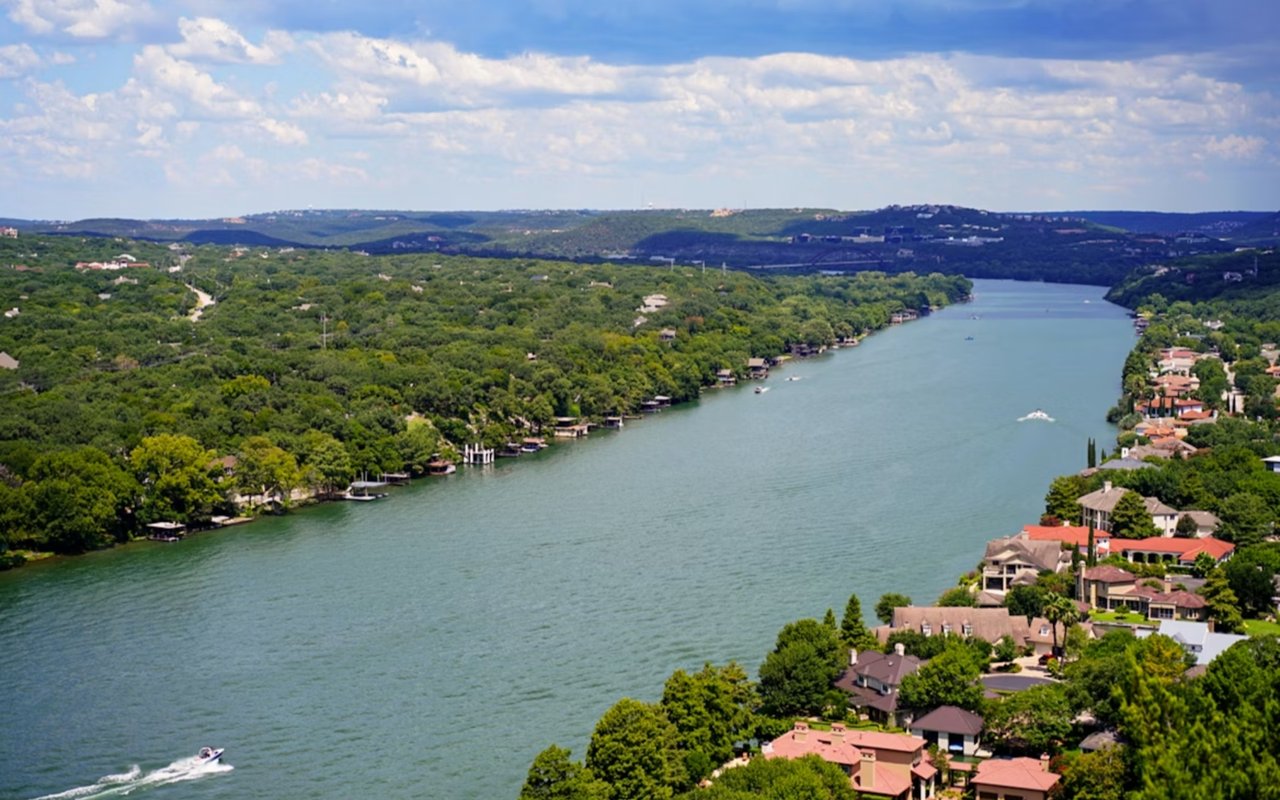
In fact, a quick glance at the overwhelmingly green landscape that blankets the region reveals that taking a break is built into the collective mindset here.
For many relocating professionals, this balance allows them to remain engaged in demanding careers while still maintaining a healthier relationship with time and personal priorities.
Major employers such as Apple, Tesla, Dell, Oracle, and Google have expanded their operations throughout the region, while startups, venture-backed companies, and entrepreneurial collectives such as Capital Factory continue to build momentum across a wide range of industries.
Despite this professional energy, Austin tends to feel less intense than many coastal technology hubs.
The work culture remains ambitious, but the aspirations coexist with a broader focus on personal well-being. Professionals here frequently build outdoor exercise, social gatherings, and community activities into their weekly routines rather than treating them as rare breaks from work.
In fact, a quick glance at the overwhelmingly green landscape that blankets the region reveals that taking a break is built into the collective mindset here.
For many relocating professionals, this balance allows them to remain engaged in demanding careers while still maintaining a healthier relationship with time and personal priorities.
Social Life That Feels Accessible
Another noticeable difference between Austin and many larger cities is how social life unfolds.
In some metropolitan areas, even simple outings can require significant planning. Reservations need to be made well in advance, transportation logistics can become complicated, and spontaneous plans can be difficult to coordinate.
Austin's social scene tends to feel more approachable. There's a looseness to the proceedings that makes going out exhilarating rather than a chore.
Restaurants, live music venues, and neighborhood gathering places remain accessible without requiring elaborate preparation. Residents often move easily between casual outdoor gatherings, neighborhood restaurants, and cultural events throughout the week—and not just in Austin's lively downtown, but also in the city's neighborhoods and surrounding suburban communities.
The city's well-known live music scene contributes to this dynamic. From small venues to larger performances, music remains an everyday part of the Austin experience rather than an occasional attraction.
Events such as South by Southwest (SXSW) and, if you like things a bit more high octane, the Formula 1 United States Grand Prix at Austin's Circuit of the Americas (COTA), bring international attention to the city each year, but Austin's cultural energy continues long after major festivals conclude.
In some metropolitan areas, even simple outings can require significant planning. Reservations need to be made well in advance, transportation logistics can become complicated, and spontaneous plans can be difficult to coordinate.
Austin's social scene tends to feel more approachable. There's a looseness to the proceedings that makes going out exhilarating rather than a chore.
Restaurants, live music venues, and neighborhood gathering places remain accessible without requiring elaborate preparation. Residents often move easily between casual outdoor gatherings, neighborhood restaurants, and cultural events throughout the week—and not just in Austin's lively downtown, but also in the city's neighborhoods and surrounding suburban communities.
The city's well-known live music scene contributes to this dynamic. From small venues to larger performances, music remains an everyday part of the Austin experience rather than an occasional attraction.
Events such as South by Southwest (SXSW) and, if you like things a bit more high octane, the Formula 1 United States Grand Prix at Austin's Circuit of the Americas (COTA), bring international attention to the city each year, but Austin's cultural energy continues long after major festivals conclude.
Outdoor Living Slows the Rhythm
Austin's relationship with the outdoors also shapes the city's "tap-to-your-own-tempo" aesthetic.
Trails surrounding Lady Bird Lake attract walkers, runners, and cyclists throughout the day. Barton Springs Pool provides a refreshing retreat during warmer months, while Barton Creek Greenbelt offers miles of hiking and climbing opportunities just minutes from downtown neighborhoods.
Because these destinations sit so close to residential areas and, in most cases, traverse right through them, outdoor activity is a daily occurrence rather than a daily suggestion.
This accessibility subtly shifts how people structure their schedules. Morning workouts may take place along a lakeside trail. Post-work gatherings take place outdoors rather than in crowded indoor venues.
The result is an ongoing momentum that encourages movement, fresh air, and social connection throughout the week.
Trails surrounding Lady Bird Lake attract walkers, runners, and cyclists throughout the day. Barton Springs Pool provides a refreshing retreat during warmer months, while Barton Creek Greenbelt offers miles of hiking and climbing opportunities just minutes from downtown neighborhoods.
Because these destinations sit so close to residential areas and, in most cases, traverse right through them, outdoor activity is a daily occurrence rather than a daily suggestion.
This accessibility subtly shifts how people structure their schedules. Morning workouts may take place along a lakeside trail. Post-work gatherings take place outdoors rather than in crowded indoor venues.
The result is an ongoing momentum that encourages movement, fresh air, and social connection throughout the week.
Discover Your Own Austin Groove with a Trusted Real Estate Partner
Austin's continued growth ensures that the city will remain a place of opportunity for professionals across a wide range of industries.
At the same time, it has managed to preserve many of the qualities that make life not just enjoyable, but fun. The city encourages residents to participate in its culture, spend time outdoors, and maintain relationships that extend beyond professional circles.
For many people relocating from larger coastal metros, the most surprising discovery is not simply the affordability or housing availability. It is the realization that a thriving career does not come at the expense of a fulfilling personal life. You can be successful and reclaim time for family, community, and personal interests.
If you're considering a move, contact The Dicker Morin Group today to start your real estate journey. We will help you navigate the possibilities that Austin presents and define what you value, whether it's walkability, schools, views, privacy, proximity to the airport, the energy of downtown, or the serenity of suburban livability, and match that to neighborhoods and home types that fit.
At the same time, it has managed to preserve many of the qualities that make life not just enjoyable, but fun. The city encourages residents to participate in its culture, spend time outdoors, and maintain relationships that extend beyond professional circles.
For many people relocating from larger coastal metros, the most surprising discovery is not simply the affordability or housing availability. It is the realization that a thriving career does not come at the expense of a fulfilling personal life. You can be successful and reclaim time for family, community, and personal interests.
If you're considering a move, contact The Dicker Morin Group today to start your real estate journey. We will help you navigate the possibilities that Austin presents and define what you value, whether it's walkability, schools, views, privacy, proximity to the airport, the energy of downtown, or the serenity of suburban livability, and match that to neighborhoods and home types that fit.