By The Dicker Morin Group
Not too long ago, a common question served as the primary consideration shaping the vast majority of home searches:
"How long will the commute be?"
Today, that question still matters, but it is no longer the dominant driving force behind the Austin home-buying experience.
Remote and hybrid work have changed how many people approach where they want to live, what they need from a home, and even what they consider a successful lifestyle. We've watched buyers shift their priorities from simply minimizing drive times to maximizing how they spend the rest of their day.
In many ways, Austin is uniquely positioned for this change.
The city already offered an appealing combination of strong career opportunities, outdoor living, vibrant neighborhoods, and a growing technology ecosystem. Remote work gave people more freedom to enjoy those advantages on their own terms.
Key Takeaways
- Remote work has shifted buyers' priorities from commute times to overall lifestyle.
- Home offices, flexible floor plans, and reliable internet have become essential features.
- Communities farther from Downtown have become increasingly attractive to hybrid and remote professionals.
- Austin's coffee shops, coworking spaces, and outdoor amenities have become extensions of the workplace.
- Remote work has reinforced Austin's appeal as a place where career and lifestyle can thrive together.
Home Searches No Longer Begin With the Commute
Commute times once largely determined where people lived. In recent years, however, that has changed dramatically.
Today, many buyers only travel into an office a few days each week—or not at all. As a result, they're evaluating neighborhoods through an entirely different lens.
- Walkability to neighborhood coffee shops and restaurants has become more valuable.
- Access to parks, trails, and outdoor recreation often ranks ahead of freeway proximity.
- Buyers are placing greater emphasis on community character and everyday convenience.
We've found that people now spend more time focusing on lifestyle aesthetics rather than simply calculating drive times.
That's been one of the biggest mindset shifts of the past ten years.
The Home Has Taken On New Responsibilities
As work and home life have become more interconnected, buyers expect their homes to support far more than evenings and weekends.
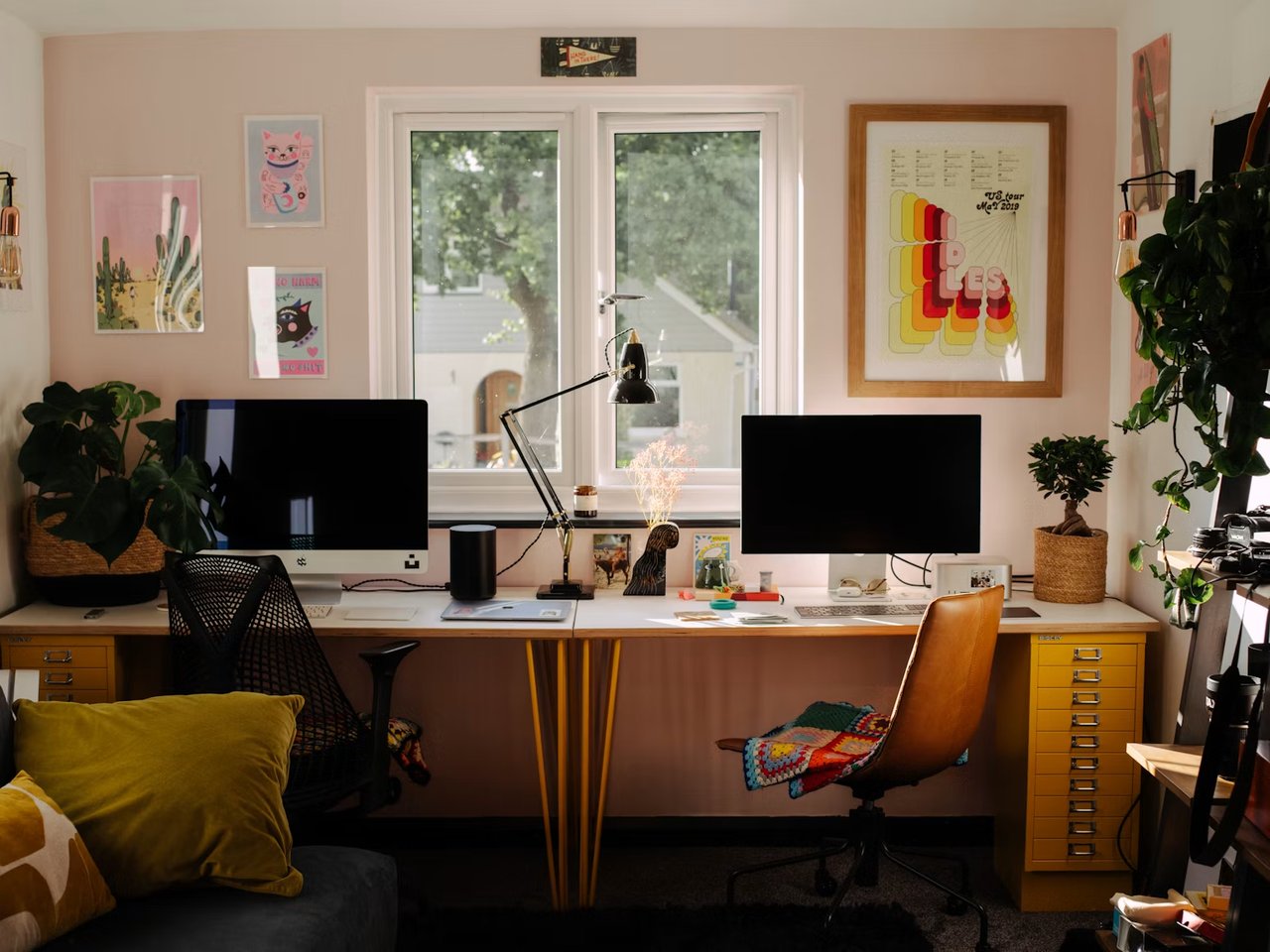
The modern Austin home has evolved into an office, meeting space, fitness room, creative studio, and entertainment hub all at once.
- Dedicated home offices continue to rank among the most requested features.
- Flexible bonus rooms provide space for changing family and work needs.
- High-speed fiber internet has become a practical consideration when comparing neighborhoods.
We've entered an era where superior internet providers, particularly those offering fiber, can tip the scales in favor of one house over another.
Ten years ago, such a consideration was a genuine luxury. Today, it's a necessity. Along with reliable connectivity, quiet workspaces and adaptable floor plans are no longer high-end upgrades, but non-negotiable essentials for many professionals.
More Communities Have Become Realistic Options
One of the most interesting outcomes of remote work has been the expansion of where people are willing to live.
Neighborhoods and communities that once felt "too far" suddenly became realistic options once daily commuting was no longer required.
- Bee Cave, Dripping Springs, Lakeway, and Steiner Ranch continue attracting buyers seeking more space and a more deliberate lifestyle.
- Barton Creek and Downtown Austin remain popular with professionals who occasionally commute to major technology campuses.
- The Domain has emerged as an ideal location for hybrid workers who split time between home and North Austin offices.
The result has been a broader definition of what it means to live in Austin.
People are choosing communities based on lifestyle fit rather than office location alone, which has opened up remarkable opportunities for buyers seeking larger homes, bigger lots, or closer connections to nature.
The City Itself Became Part of the Office
Something else happened that few people predicted.
Work didn't simply move into the home.
It spread throughout the city.
Austin's coffee shops, coworking spaces, hotel lobbies, breweries, patios, and neighborhood gathering places have become productive work environments in their own right.
- Downtown, East Austin, South Lamar, North Loop, and The Domain all support thriving coworking communities.
- Independent coffee shops routinely function as informal meeting spaces.
- Outdoor patios allow people to blend work with Austin's year-round lifestyle.
One of the things we appreciate most is that Austin makes work feel less isolated.
People now move effortlessly between home, neighborhood gathering spaces, and traditional offices throughout the week, a natural evolution that imbues the city's professional culture with flexibility and a welcome work-life balance.
Austin's Financial Advantages Became Even More Meaningful
Remote work also changed the financial equation.
Professionals earning salaries tied to coastal markets suddenly had greater freedom to choose where they lived.
For many, Austin quickly became an obvious choice.
- Texas' lack of a state income tax allows many remote workers to retain more of their earnings.
- Housing budgets often stretch significantly farther than in many coastal technology markets.
- The combination of career flexibility and lower overall living costs has created new opportunities for long-term wealth building.
Of course, buyers still need to account for Texas property taxes and carefully evaluate overall ownership costs.
Even so, many relocating professionals discover that their purchasing power, and ultimately quality of life, improves in meaningful ways.
FAQs
Has remote work permanently changed Austin's housing market?
Yes. While many companies have adopted hybrid schedules, remote work has become a lasting part of Austin's professional landscape. Buyers continue to prioritize flexible floor plans, dedicated office space, reliable internet service, and neighborhoods that support everyday lifestyles rather than simply minimizing commutes.
Which Austin communities are especially popular with remote workers?
The answer depends on priorities. East Austin, Mueller, Downtown, and The Domain appeal to buyers seeking walkability and urban convenience, while Bee Cave, Dripping Springs, Lakeway, and Steiner Ranch continue attracting those looking for additional space and value.
What should remote workers consider when buying a home in Austin?
Beyond the home itself, we recommend evaluating the internet infrastructure, neighborhood amenities, outdoor recreation, nearby coworking options, commute expectations for hybrid work, and the community's support for your overall lifestyle.
Find Your New “Home” Office in Austin with the Dicker Morin Group
Remote work didn't simply change where people work.
It changed how many people think about home.
Instead of organizing life around an office, many buyers are now organizing it around the experiences they value most: time outdoors, stronger communities, flexible schedules, and homes that support every part of their lives.
Austin was already well positioned for that shift.
Today, it continues to offer something increasingly valuable—a place where work fits naturally into life, rather than life revolving entirely around work.
If you're considering a move and ready to explore Austin-area homes suited to your own personal and professional needs, contact The Dicker Morin Group today to start your real estate journey. We will help you navigate the possibilities that Austin presents, define what you value, and match that to neighborhoods and home types that fit your lifestyle.