By The Dicker Morin Group
When people think about Austin, the first images that come to mind include live music venues, incredible food (specifically, the Barbecue and Tex-Mex offerings), creative, tech-savvy entrepreneurs, and an outdoor lifestyle incorporating Lady Bird Lake, Lake Travis, and the Texas Hill Country that seems to blur the line between work and recreation.
What often goes unnoticed is how those same qualities have shaped the city's homes.
We've always believed that Austin's architecture tells a story about the people who live here. It's a city that values authenticity over formality, craftsmanship over excess, and spaces that feel inviting rather than intimidating. As Austin has grown into one of the country's premier destinations for technology, business, and luxury real estate, those values haven't disappeared.
If anything, they've become even more evident in the homes being designed throughout the region.
That's critical to why Austin home design trends feel so distinct. The area isn't following national movements or aiming to mimic other noteworthy locales. Real estate here promises a genuine reflection of the city's personality, landscape, and way of life.
Key Takeaways
- Austin's architecture is heavily influenced by the Hill Country landscape and local materials.
- Indoor-outdoor living remains one of the defining characteristics of Austin home design trends.
- Today's homes balance contemporary design with warmth, craftsmanship, and regional character.
- Natural light, sustainability, and personalized spaces have become essential design priorities.
- Austin's architectural diversity reflects the city's creative culture and evolving identity.
Design Begins With a Sense of Place
One of the things we appreciate most about Austin architecture is that it feels rooted in Central Texas.
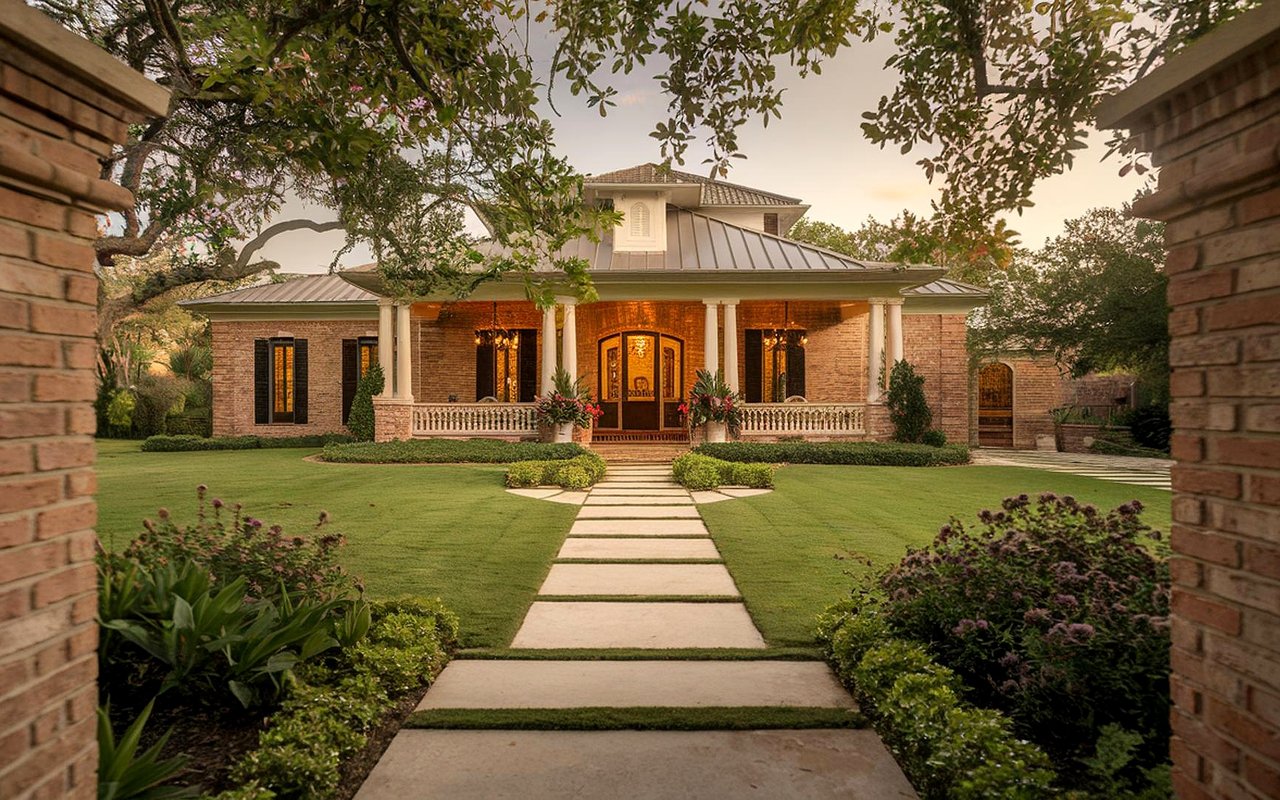
Rather than importing styles from somewhere else, many of the region's most admired homes embrace what designers often describe as "refined regionalism." The approach incorporates the landscape, materials, and aesthetics of the locale in which a home is built, instead of competing with it. For Austin-area homes, this mindset creates neighborhoods and homes with a strong sense of place.
Rather than importing styles from somewhere else, many of the region's most admired homes embrace what designers often describe as "refined regionalism." The approach incorporates the landscape, materials, and aesthetics of the locale in which a home is built, instead of competing with it. For Austin-area homes, this mindset creates neighborhoods and homes with a strong sense of place.
- Native limestone, weathered steel, cedar, and natural wood are frequently incorporated into both interiors and exteriors.
- Homes are carefully positioned to capture views, breezes, and the surrounding terrain.
- Landscaping often complements existing heritage oak trees and native plants instead of replacing them.
We've found that buyers relocating from other parts of the country are often drawn to this authenticity.
The homes feel connected to their environment in a way that's difficult to replicate elsewhere.
They belong here, and that sense of place becomes part of their lasting appeal.
The homes feel connected to their environment in a way that's difficult to replicate elsewhere.
They belong here, and that sense of place becomes part of their lasting appeal.
Austin's Light Shapes the Way Homes Feel
One feature that rarely appears on a listing sheet but dramatically influences home design is light.
Austin enjoys abundant sunshine throughout much of the year, and architects have learned to use that natural resource as one of the home's defining design elements.
Austin enjoys abundant sunshine throughout much of the year, and architects have learned to use that natural resource as one of the home's defining design elements.
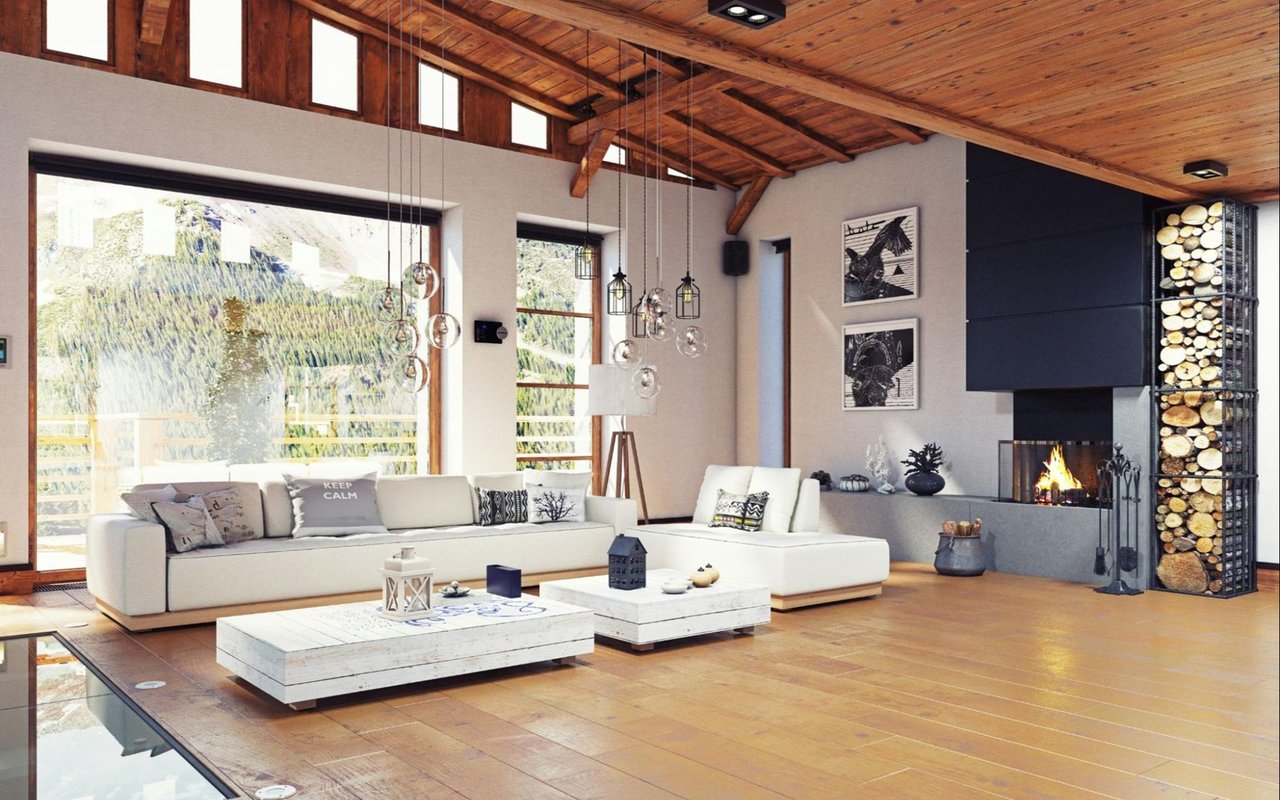
- Floor-to-ceiling windows maximize natural light while framing views of the landscape.
- High-performance glass helps balance brightness with energy efficiency during the warmer months.
- Open floor plans allow daylight to naturally travel unencumbered throughout the home.
We've toured homes where the architecture seems to change throughout the day as the sun moves across the sky.
Morning light filters into kitchens and breakfast spaces. Evening light settles across patios and outdoor living rooms. Those subtle changes create homes that feel dynamic and connected to their surroundings.
Morning light filters into kitchens and breakfast spaces. Evening light settles across patios and outdoor living rooms. Those subtle changes create homes that feel dynamic and connected to their surroundings.
Warm Minimalism Reflects Austin's Personality
Luxury in Austin tends to feel approachable.
While contemporary architecture continues to dominate many new luxury homes, the interiors rarely feel cold or overly formal. Instead, we're seeing a growing emphasis on the "warm minimalism" design ethos.
While contemporary architecture continues to dominate many new luxury homes, the interiors rarely feel cold or overly formal. Instead, we're seeing a growing emphasis on the "warm minimalism" design ethos.
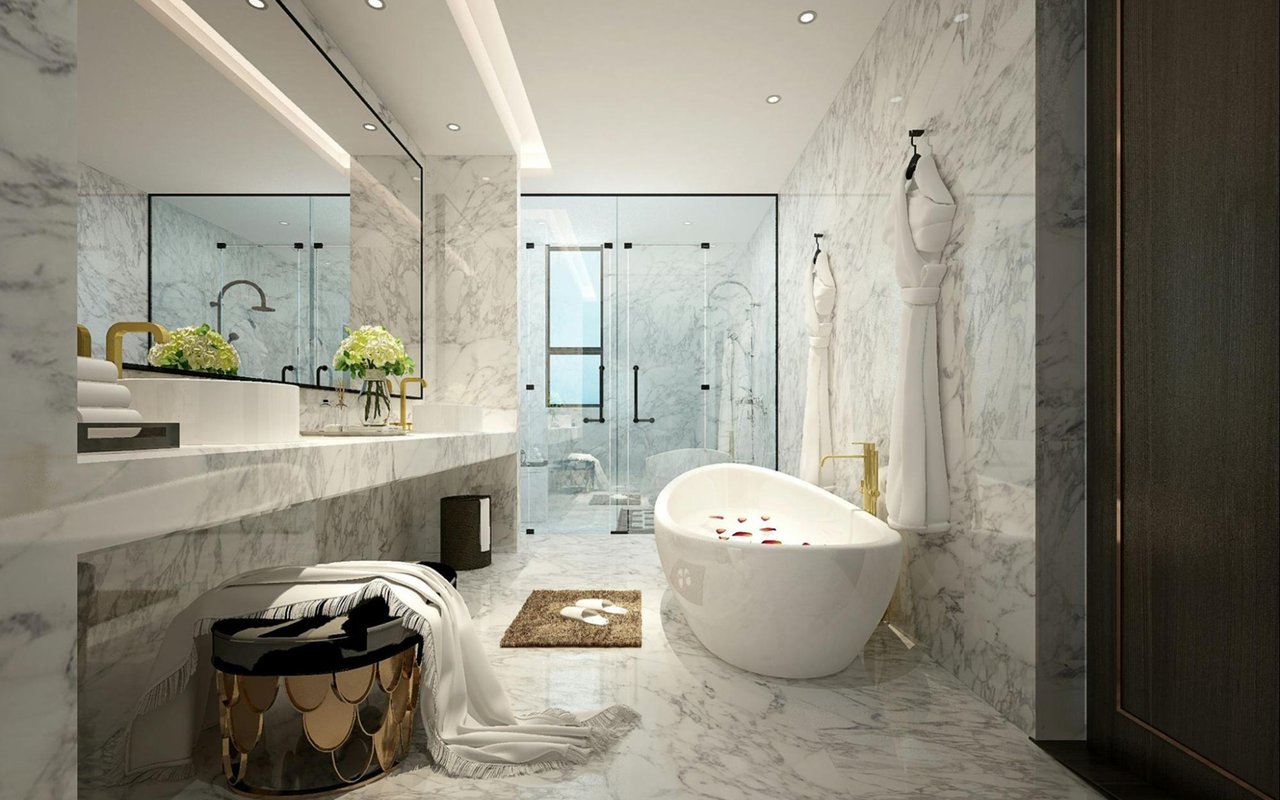
- Clean architectural lines are softened with natural textures and handcrafted materials.
- Earth-inspired colors such as terracotta, olive, warm taupe, chocolate, and limestone white echo the Hill Country landscape.
- Handmade tile, artisan lighting, and custom millwork introduce character without unnecessary ornamentation.
We think this design language mirrors Austin itself.
The city is innovative and forward-thinking, yet comfortably relaxed. People value quality, but they also want homes that invite conversation, creativity, and everyday living.
That balance between sophistication and comfort is a defining characteristic of Austin home design trends.
The city is innovative and forward-thinking, yet comfortably relaxed. People value quality, but they also want homes that invite conversation, creativity, and everyday living.
That balance between sophistication and comfort is a defining characteristic of Austin home design trends.
Creative Culture Shows Up in the Details
Austin has always celebrated individuality.
That same mindset is increasingly influencing residential design.
Rather than striving for homes that look identical to those in other luxury markets, many homeowners are creating highly personal spaces that reflect their own interests.
That same mindset is increasingly influencing residential design.
Rather than striving for homes that look identical to those in other luxury markets, many homeowners are creating highly personal spaces that reflect their own interests.
- Locally crafted furniture, artwork, and custom finishes bring originality to interiors.
- Flexible spaces accommodate creative pursuits, remote work, music, fitness, and entertaining.
- Personalized design choices have become more desirable than highly standardized luxury finishes.
This approach works so well because Austin has a thriving community of architects, designers, artists, and craftspeople who contribute to the city's distinctive aesthetic.
In other words, the ambiance and character of many Austin homes isn't manufactured, but curated. That's something we hear buyers appreciate time and again.
In other words, the ambiance and character of many Austin homes isn't manufactured, but curated. That's something we hear buyers appreciate time and again.
Indoor-Outdoor Living Defines the Austin Lifestyle
If there's one feature that consistently connects Austin's culture with its architecture, it's the relationship between indoor and outdoor spaces.
People here genuinely use their patios, courtyards, pools, and outdoor kitchens as extensions of the home.
These are not occasional-use amenities, but an integral part of everyday living.
People here genuinely use their patios, courtyards, pools, and outdoor kitchens as extensions of the home.
These are not occasional-use amenities, but an integral part of everyday living.
- Large sliding glass walls create seamless transitions between interior and exterior living spaces.
- Covered patios provide comfortable gathering areas throughout much of the year.
- Outdoor fireplaces, kitchens, plunge pools, and landscaped courtyards encourage year-round entertaining.
This design philosophy reflects Austin's social culture just as much as its climate.
Whether it's hosting friends after a concert, enjoying dinner outside, or simply unwinding beneath mature oak trees, outdoor rooms have become an essential part of how people experience home, transforming them from luxuries into necessities.
Whether it's hosting friends after a concert, enjoying dinner outside, or simply unwinding beneath mature oak trees, outdoor rooms have become an essential part of how people experience home, transforming them from luxuries into necessities.
FAQs
What architectural styles are most popular in Austin?
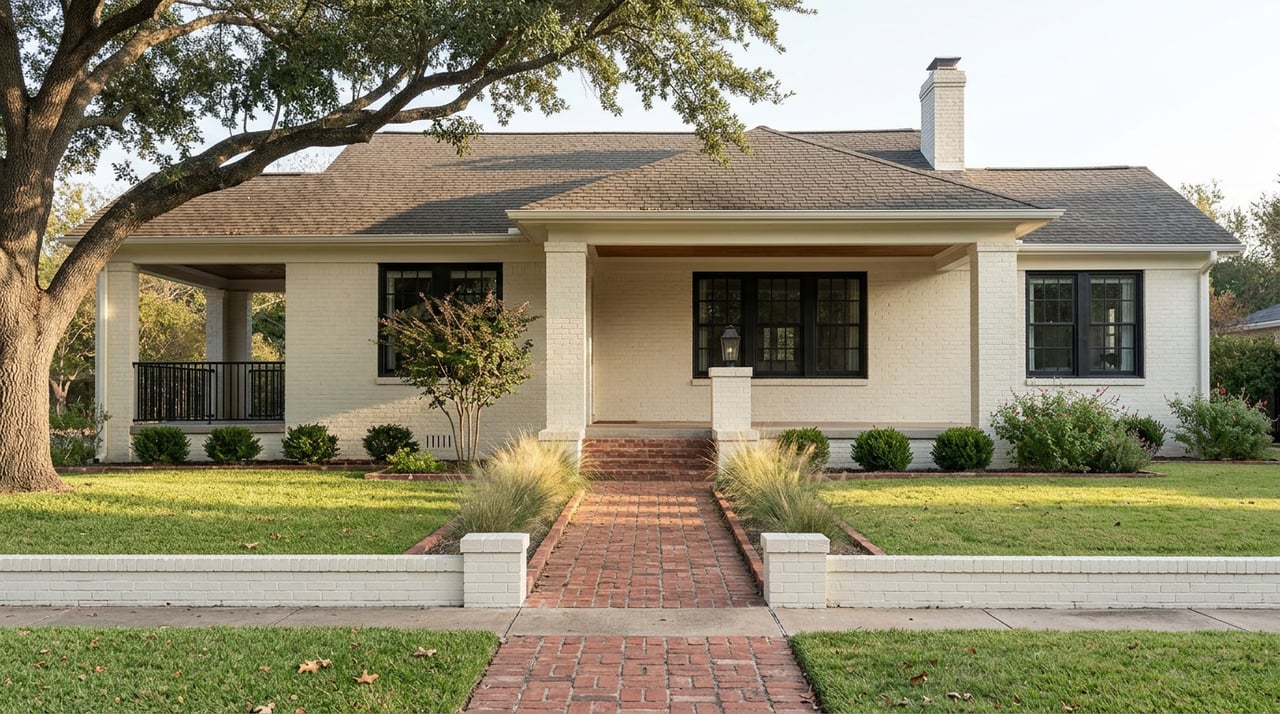
Texas Hill Country contemporary, modern farmhouse and transitional modern, Craftsman bungalow, mid-century inspired homes, and thoughtfully renovated historic residences (particularly early 20th century Queen Anne and Craftsman and mid-20th Century-modern) continue to define much of Austin's residential architecture. Each interprets Central Texas materials and landscapes in its own way.
Why are natural materials so common in Austin homes?
Materials such as limestone, cedar, steel, and natural wood reflect the surrounding Hill Country landscape while offering durability and timeless character. They help create homes that feel authentically connected to the region.
How does Austin's culture influence interior design?
Austin's creative spirit encourages personalized interiors that prioritize craftsmanship, natural materials, flexible living spaces, locally inspired artwork, and comfortable luxury over highly formal or trend-driven designs.
Curate Your Own Austin Luxury Residence with the Dicker Morin Group
Much of the joy we have in showing homes throughout Austin is that every neighborhood tells a slightly different architectural story.
Some homes celebrate the city's historic roots. Others embrace bold contemporary design. Many find a thoughtful balance between the two.
What connects them all is a shared appreciation for authenticity, craftsmanship, and a lifestyle that values connection to both people and place. It's central to why Austin home design continues to feel so distinctive.
If you're considering a move and want to discover your own Austin residential style, contact The Dicker Morin Group today to start your real estate journey. We will help you navigate the possibilities Austin offers, define what you value, and match it to neighborhoods and home types that fit your lifestyle.
Some homes celebrate the city's historic roots. Others embrace bold contemporary design. Many find a thoughtful balance between the two.
What connects them all is a shared appreciation for authenticity, craftsmanship, and a lifestyle that values connection to both people and place. It's central to why Austin home design continues to feel so distinctive.
If you're considering a move and want to discover your own Austin residential style, contact The Dicker Morin Group today to start your real estate journey. We will help you navigate the possibilities Austin offers, define what you value, and match it to neighborhoods and home types that fit your lifestyle.