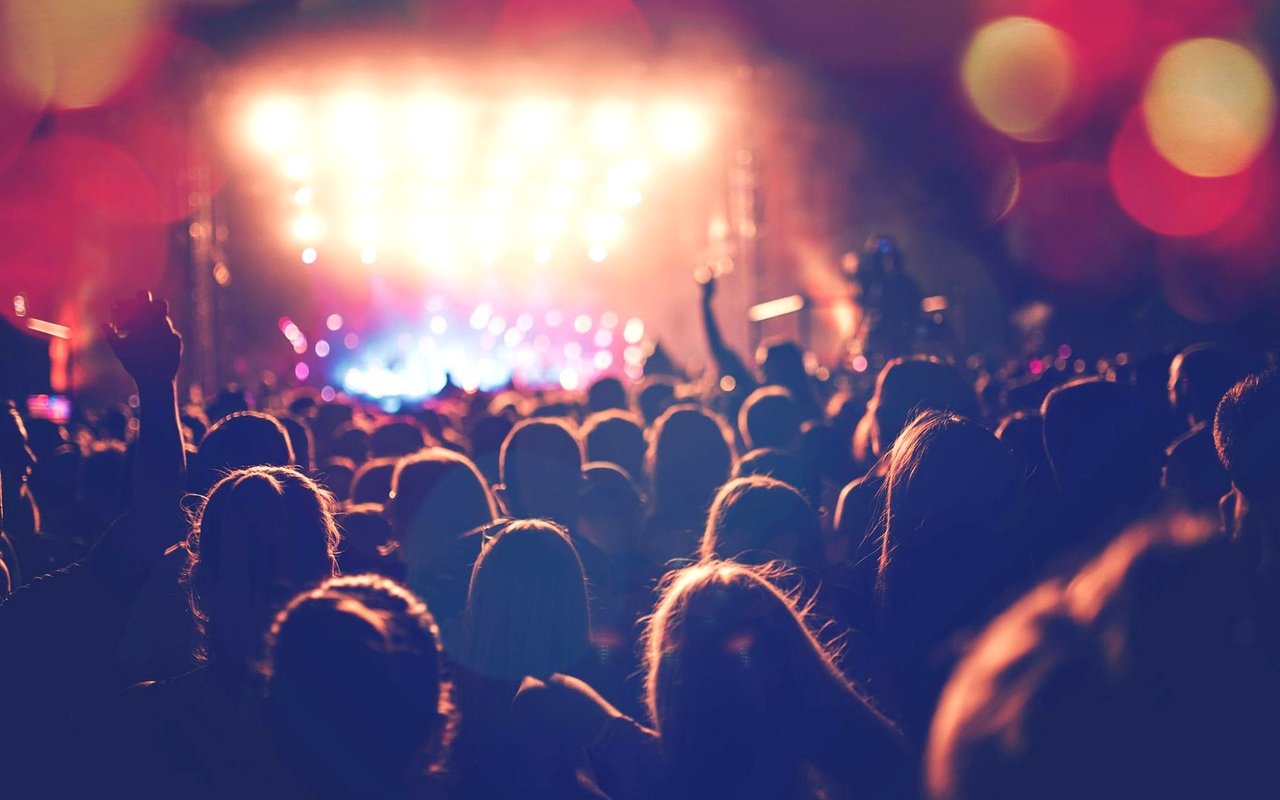
If ever a city and festival had a grassroots, symbiotic relationship, where each served as a reflection of the other, welcome to Austin and the transformative South by Southwest.
Each year, in the run-up to and during the festival, the city operates on a higher plane. Streets hum later into the night. Coffee shops double as pitch rooms. Music spills out of venues at a greater frequency than the rest of the year, transforming into global gathering spots. Tech founders brush shoulders with filmmakers, musicians, designers, and investors. And while visitors experience SXSW as a festival, locals recognize it as something deeper: a concentrated expression of Austin's always evolving identity.
For anyone considering a move to Austin, SXSW is not an anomaly. It's a magnified version of how the city already works.
A Festival That Mirrors the City
SXSW did not invent Austin's creative culture. It grew out of it.
Long before the festival became a global brand, Austin was a city where music, technology, and independent thinking coexisted comfortably. The presence of the University of Texas, an early tech and multi-media corridor, and a long-standing live music tradition created a rare environment where engineers and artists occupied the same social spaces. SXSW simply formalized that intersection and gave it a global audience.
During festival week, the overlap becomes visible. A keynote about artificial intelligence might be followed by a rooftop DJ set. A film premiere spills into a restaurant where a startup founder is closing a formal deal over a casual dinner and drinks. The lines between industries blur in a way that feels distinctly Austin, informal, unforced, and always collaborative.
For future residents, this is an important signal. Austin isn't a city that separates work, culture, and leisure into rigid categories. The same ecosystem that fuels SXSW operates year-round. Creative professionals, remote workers, founders, and independent thinkers thrive here because the city rewards curiosity and experimentation.
Long before the festival became a global brand, Austin was a city where music, technology, and independent thinking coexisted comfortably. The presence of the University of Texas, an early tech and multi-media corridor, and a long-standing live music tradition created a rare environment where engineers and artists occupied the same social spaces. SXSW simply formalized that intersection and gave it a global audience.
During festival week, the overlap becomes visible. A keynote about artificial intelligence might be followed by a rooftop DJ set. A film premiere spills into a restaurant where a startup founder is closing a formal deal over a casual dinner and drinks. The lines between industries blur in a way that feels distinctly Austin, informal, unforced, and always collaborative.
For future residents, this is an important signal. Austin isn't a city that separates work, culture, and leisure into rigid categories. The same ecosystem that fuels SXSW operates year-round. Creative professionals, remote workers, founders, and independent thinkers thrive here because the city rewards curiosity and experimentation.
A City Designed for Creative Collision
SXSW works because Austin is built for density of experience while also providing vast amounts of creative space.
In Downtown Austin, walkability allows ideas to travel quickly. You can leave a conference session, step into a music venue, and end up in a late-night conversation that turns into a partnership. The city's infrastructure, from co-working spaces to converted warehouses to open-air patios, north and south of Lady Bird Lake, encourages chance encounters.
This design isn't accidental. Austin has spent decades evolving into a place where informal networks matter as much as formal institutions. The festival amplifies that trait, but it doesn't create it. Residents experience smaller versions of this cross-pollination every week through local meetups, music events, film screenings, and entrepreneurial gatherings.
For homebuyers, especially those relocating from cities with more segmented professional cultures, this fluidity offers a refreshing, inspiring change of pace. Austin offers access to opportunity without the social rigidity of larger coastal markets. SXSW is simply the week when that openness becomes impossible to ignore.
In Downtown Austin, walkability allows ideas to travel quickly. You can leave a conference session, step into a music venue, and end up in a late-night conversation that turns into a partnership. The city's infrastructure, from co-working spaces to converted warehouses to open-air patios, north and south of Lady Bird Lake, encourages chance encounters.
This design isn't accidental. Austin has spent decades evolving into a place where informal networks matter as much as formal institutions. The festival amplifies that trait, but it doesn't create it. Residents experience smaller versions of this cross-pollination every week through local meetups, music events, film screenings, and entrepreneurial gatherings.
For homebuyers, especially those relocating from cities with more segmented professional cultures, this fluidity offers a refreshing, inspiring change of pace. Austin offers access to opportunity without the social rigidity of larger coastal markets. SXSW is simply the week when that openness becomes impossible to ignore.
Neighborhoods as Stages
During SXSW, the city itself becomes part of the programming.
Downtown absorbs the highest intensity, but the energy radiates outward. East Austin hosts pop-ups and independent showcases. South Congress becomes a corridor of branded installations and informal gatherings. Even quieter residential areas feel the ripple effect as restaurants fill and conversations turn toward what's happening in the city center.
Even with this year's SXSW taking on a more compact, downtown-centric footprint, Austin's geographic spread is among the city's most defining strengths. Neighborhoods here are not isolated pockets. Even those not hosting core SXSW events remain part of Austin's interconnected ecosystem. Residents can choose how close they want to live to the action without completely disconnecting from the city's pulse.
For someone evaluating where to buy, SXSW offers a live demonstration of neighborhood personality. Some buyers gravitate toward the cultural energy of downtown or near the UT campus. Others prefer a residential buffer that allows easy access without daily immersion. Austin accommodates both preferences unusually well.
Downtown absorbs the highest intensity, but the energy radiates outward. East Austin hosts pop-ups and independent showcases. South Congress becomes a corridor of branded installations and informal gatherings. Even quieter residential areas feel the ripple effect as restaurants fill and conversations turn toward what's happening in the city center.
Even with this year's SXSW taking on a more compact, downtown-centric footprint, Austin's geographic spread is among the city's most defining strengths. Neighborhoods here are not isolated pockets. Even those not hosting core SXSW events remain part of Austin's interconnected ecosystem. Residents can choose how close they want to live to the action without completely disconnecting from the city's pulse.
For someone evaluating where to buy, SXSW offers a live demonstration of neighborhood personality. Some buyers gravitate toward the cultural energy of downtown or near the UT campus. Others prefer a residential buffer that allows easy access without daily immersion. Austin accommodates both preferences unusually well.
The Real Meaning of the Energy Shift
Though SXSW gives Austin a distinctive edge once a year, the residual energy doesn't disappear when the festival ends. It just redistributes. The same venues continue hosting shows. The same entrepreneurs keep building companies. The same creative communities keep experimenting.
In other words, SXSW compresses Austin's personality into seven days, but living here stretches that energy across the entire year.
For prospective residents, the takeaway is less about the festival itself and more about what it reveals. Austin values momentum. It rewards participation. It invites, and indeed, welcomes residents to be part of the culture rather than just passive observers of it.
Of course, plenty of locals who enjoy SXSW rarely say they love the crowds. That's true of most major cities that host major cultural events. What distinguishes Austin, however, perhaps more than most other major festival locales, is the enduring sense of wonder that SXSW leaves in its wake. Those feelings of joy and optimism, and the possibility of what comes next, remain the city's true export.
In other words, SXSW compresses Austin's personality into seven days, but living here stretches that energy across the entire year.
For prospective residents, the takeaway is less about the festival itself and more about what it reveals. Austin values momentum. It rewards participation. It invites, and indeed, welcomes residents to be part of the culture rather than just passive observers of it.
Of course, plenty of locals who enjoy SXSW rarely say they love the crowds. That's true of most major cities that host major cultural events. What distinguishes Austin, however, perhaps more than most other major festival locales, is the enduring sense of wonder that SXSW leaves in its wake. Those feelings of joy and optimism, and the possibility of what comes next, remain the city's true export.
Discover More of Austin with a Trusted Real Estate Partner
SXSW has always been more than a festival. It's a platform for evolution and for artists, entrepreneurs, technologists, and storytellers looking to launch, grow, or be seen. With a streamlined format and a milestone anniversary, the 2026 edition is certain to be among the most celebrated in the event's long, illustrious history.
Whether you're in town to perform, pitch, learn, or wander, and want to discover more about SXSW 2026 or Austin's luxury real estate scene, contact The Dicker Morin Group today to start your journey.
Whether you're in town to perform, pitch, learn, or wander, and want to discover more about SXSW 2026 or Austin's luxury real estate scene, contact The Dicker Morin Group today to start your journey.