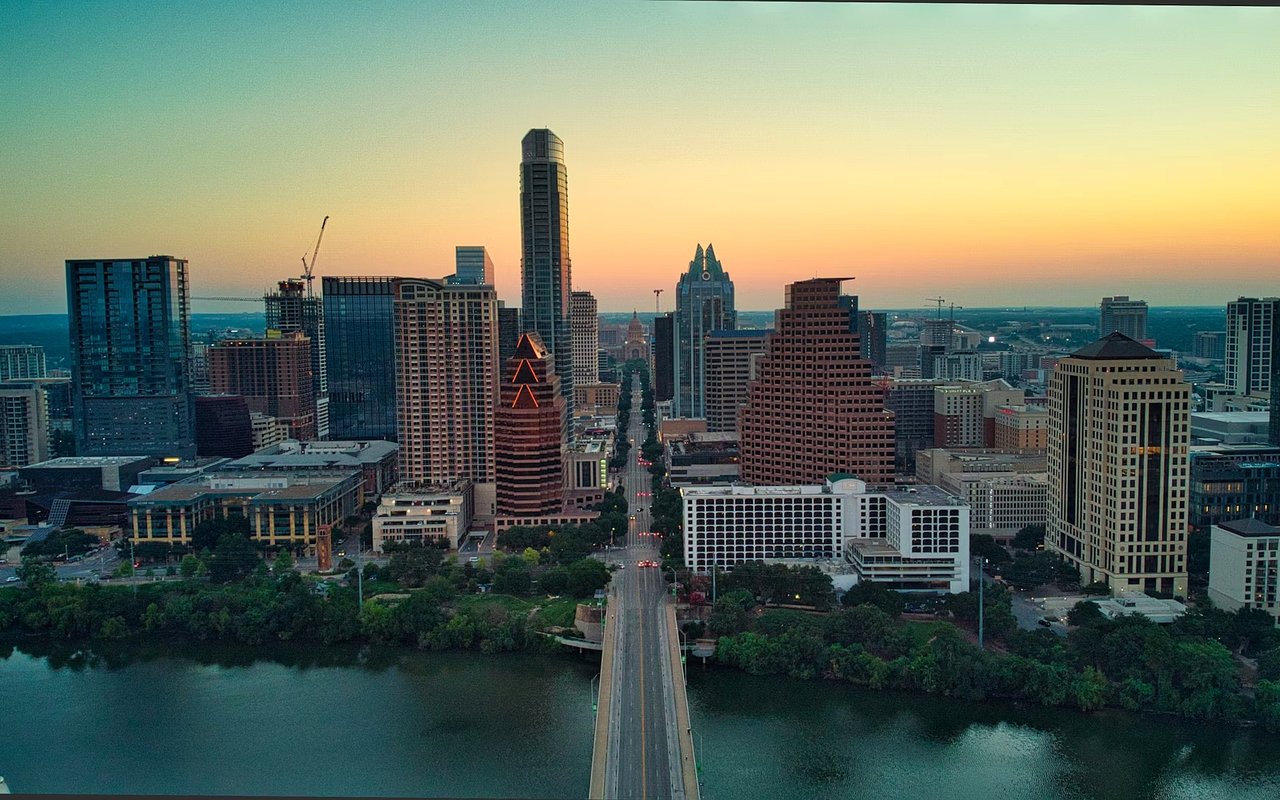
One of the biggest misconceptions about Austin is that it's simply "hot all the time."
Yes, the summers are long, and anyone who has spent an August afternoon in Central Texas understands exactly how intense the heat can become. But living in Austin offers a far more seasonal lifestyle than many people think (and, to be honest, summer isn’t that bad, with the city and surrounding region providing a plethora of ways to "beat the heat").
Part of what makes Austin so enjoyable to live in is that people genuinely adapt to and embrace each season. Spring feels vibrant and social. Summer revolves around misted patios, shaded trails, and the area's vast supply of lakes, rivers, and streams. Fall brings a second wave of outdoor energy, and winter introduces a calm, quiet version of the city that longtime residents often secretly love most.
Key Takeaways
-
Austin experiences four distinct lifestyle seasons, each shaping daily life in different ways
-
Spring and fall are widely considered the city's most active and socially vibrant periods
-
Summer centers around lakes, pools, patios, and adjusting routines around the heat
-
Winter is mild overall, though occasional cold snaps and ice events still occur
-
Seasonal shifts strongly influence outdoor activities, local traditions, and neighborhood routines across Austin and the Hill Country
Spring
From early March, Austin noticeably wakes from its winter slumber.
The landscape turns green again, wildflowers start appearing along roadsides and across open fields, and residents spend as much time outside as possible before the peak summer heat arrives. Spring is easily one of the city's most social seasons, with packed patios, outdoor festivals, and parks full from morning through evening.
The landscape turns green again, wildflowers start appearing along roadsides and across open fields, and residents spend as much time outside as possible before the peak summer heat arrives. Spring is easily one of the city's most social seasons, with packed patios, outdoor festivals, and parks full from morning through evening.
-
SXSW brings a surge of energy, creativity, and activity across Downtown, South Congress, and East Austin
-
Bluebonnets and wildflowers bloom throughout the Hill Country and along major roads outside the city
-
Barton Creek Greenbelt, Lady Bird Lake, and Barton Springs are among the most popular daily gathering spots
April, in particular, feels close to perfect most years. Warm afternoons, cooler mornings, and breezy evenings create the kind of weather that keeps people outdoors for hours. Farmers Markets become weekend rituals again, restaurant patios stay packed, golf courses are hives of ambition, and the city feels optimistic in a way that is hard to explain unless you've experienced it firsthand.
Spring also tends to remind people why outdoor living matters so much in Austin. Covered patios, pools, shaded yards, and indoor-outdoor spaces suddenly become the center of everyday life again.
Spring also tends to remind people why outdoor living matters so much in Austin. Covered patios, pools, shaded yards, and indoor-outdoor spaces suddenly become the center of everyday life again.
Summer
Summer in Austin can be intense, and locals do not pretend otherwise.
By late May, days in the upper 80s are the norm, and many residents start prepping for ways to keep cool. Temperatures climb quickly, humidity settles in, and daily life starts revolving around shade, water, and air conditioning. But it doesn't mean everyone becomes a shut-in. Summer is one of Austin's most active and social periods because people here know how to adapt.
By late May, days in the upper 80s are the norm, and many residents start prepping for ways to keep cool. Temperatures climb quickly, humidity settles in, and daily life starts revolving around shade, water, and air conditioning. But it doesn't mean everyone becomes a shut-in. Summer is one of Austin's most active and social periods because people here know how to adapt.
-
Lake Travis and Lake Austin become central to weekend life, with boating, wake surfing, and lakeside gatherings
-
Paddleboarding and kayaking on Lady Bird Lake are most popular during early mornings and sunset hours
-
The Congress Avenue Bridge bat flights become one of the city's defining summer rituals
June and July tend to feel energetic and busy, particularly around the lakes and outdoor venues. Restaurants lean heavily into patios and frozen cocktails, while live music continues well into warm evenings.
August, the hottest month of the year, is also often the quietest. Afternoon highs frequently push into the upper 90s or beyond, and even longtime residents begin carefully adjusting their routines. People schedule outdoor activities for the early morning and become extremely loyal to their favorite pool or swimming spot.
Oddly enough, summer heat also creates a kind of shared Austin experience. Everyone talks about it, adapts to it, and bonds over it in a strangely communal way.
August, the hottest month of the year, is also often the quietest. Afternoon highs frequently push into the upper 90s or beyond, and even longtime residents begin carefully adjusting their routines. People schedule outdoor activities for the early morning and become extremely loyal to their favorite pool or swimming spot.
Oddly enough, summer heat also creates a kind of shared Austin experience. Everyone talks about it, adapts to it, and bonds over it in a strangely communal way.
Fall
By October, temperatures begin easing back into comfortable territory, and the entire city seems to re-emerge outdoors after months of intense heat. The city's second patio season returns in full force, trails become active again throughout the day, and weekends fill with football, festivals, and backyard gatherings.
-
Austin City Limits Music Festival transforms Zilker Park into the center of the city for two weekends every October
-
University of Texas football tailgates become major social events across Central Austin
-
Hill Country drives, winery visits, hiking, and outdoor dining all surge again during cooler weather
It's little surprise that many locals consider fall the best time of year in Austin. The weather is more forgiving, but the lakes, patios, music venues, and outdoor spaces remain fully active. November especially tends to bring long stretches of sunny, mild weather (highs in the mid- to lower 70s, lows in the 50s) that make everyday routines feel remarkably easy.
Winter
Winter in Austin surprises many newcomers, as much of the season remains comfortably mild, with highs in the 60s and lows in the 40s. At the same time, Central Texas weather can shift abruptly. Occasional cold fronts push temperatures into the 20s or 30s for short stretches, and ice storms remain a more realistic concern than snow.
-
Holiday traditions include Mozart's Coffee Roasters light displays, seasonal markets, and strolls along South Congress
-
January becomes one of the best months for restaurant reservations, museum visits, and hiking without summer heat
-
February often delivers unexpected warm days that hint at spring's return
What many people end up loving about winter here is the slower pace. The city feels quieter and less crowded after the holiday season, particularly in January. Restaurants become easier to access, trails feel calmer (and still very much accessible), and outdoor activities suddenly become enjoyable again in the middle of the day. By late February, the city already begins shifting back toward spring.
FAQs
Does Austin really experience four seasons?
Yes, although they look different from more northern parts of the country. Austin experiences clear seasonal shifts in temperature, outdoor activity, social energy, and lifestyle patterns throughout the year.
What is generally considered the best season in Austin?
Most locals would probably say spring or fall. Spring brings wildflowers, festivals, and lush landscapes, while fall delivers cooler temperatures, football season, patio weather, and some of the city's most comfortable outdoor conditions.
How difficult are Austin summers for new residents?
The heat can be intense, especially from July through early September, but most residents adapt quickly by shifting routines toward mornings, evenings, pools, lakes, and shaded outdoor spaces. Summer culture in Austin centers around water and indoor-outdoor living.
Discover Your Authentic Austin Vibe with the Dicker Morin Group
One of the reasons we love Austin so much is that the city never feels static, and each season changes how people experience the city. Seasonal shifts are part of what makes Austin feel personal and lived-in rather than one-dimensional, and over time, residents develop their own rituals tied to each season.
If you're considering a move and ready to uncover your own Austin rituals, contact The Dicker Morin Group today to start your real estate journey. We will help you navigate the possibilities Austin offers, define what you value, and match it to neighborhoods and home types that fit your lifestyle.
If you're considering a move and ready to uncover your own Austin rituals, contact The Dicker Morin Group today to start your real estate journey. We will help you navigate the possibilities Austin offers, define what you value, and match it to neighborhoods and home types that fit your lifestyle.